 EN
EN


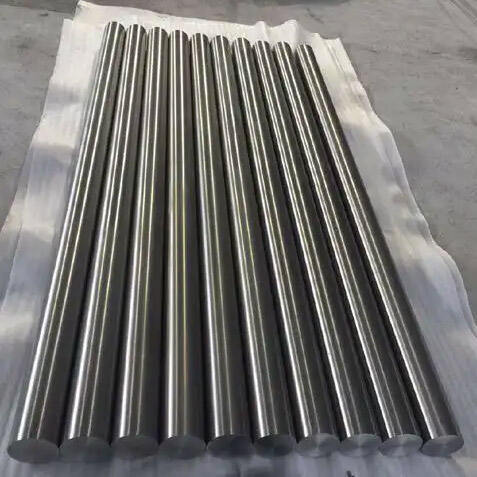
In demanding industrial applications, material selection determines whether a project succeeds or fails. A titanium bar delivers performance characteristics that traditional metals simply cannot match, offering superior strength-to-weight ratios, exceptional corrosion resistance, and remarkable durability under extreme conditions. Engineers and manufacturers across aerospace, medical, chemical processing, and oil and gas industries increasingly rely on titanium bar solutions to solve problems that ordinary steel, aluminum, or nickel alloys cannot address effectively.
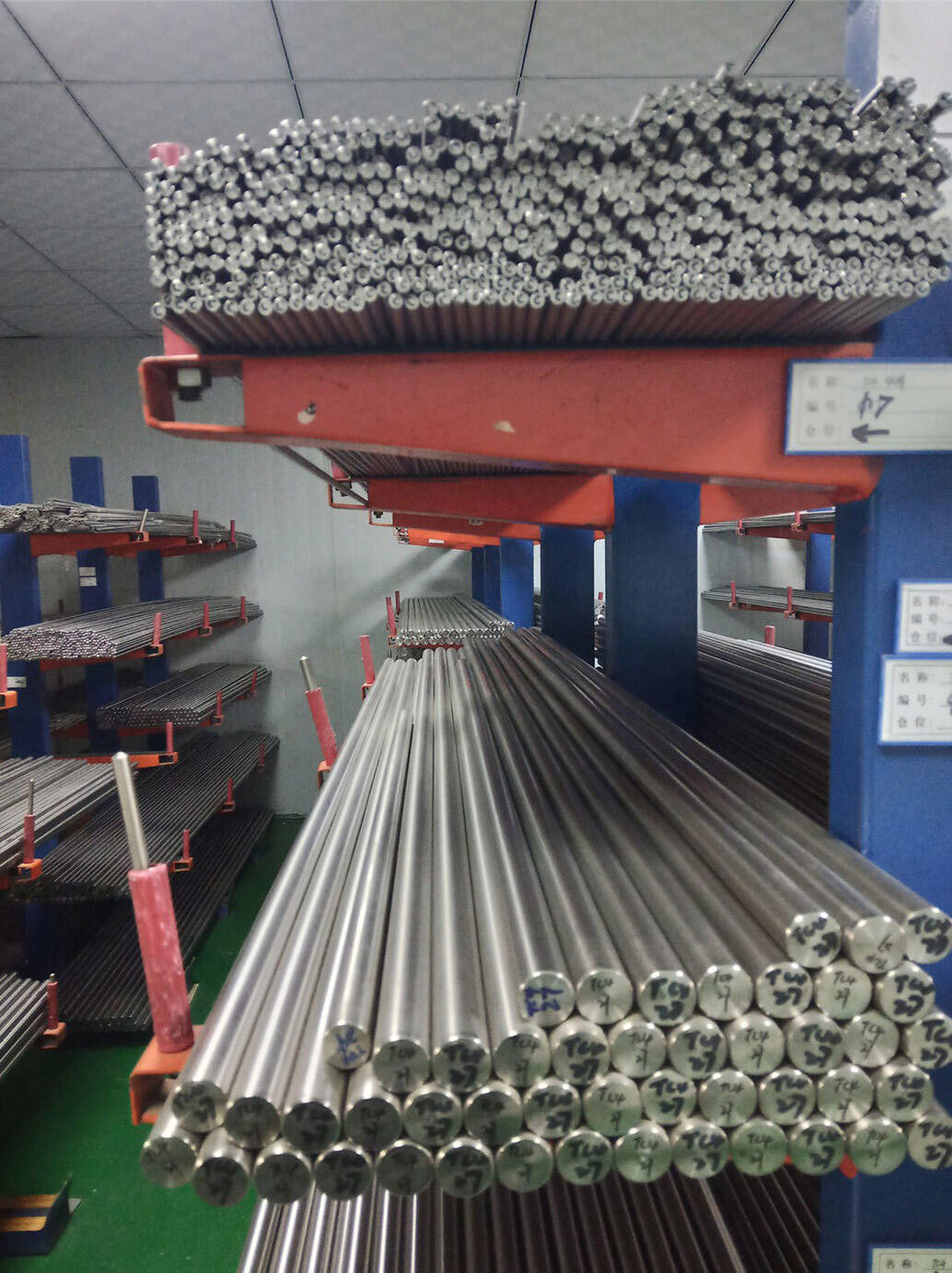
The resilience of a titanium bar stems from its fundamental atomic structure and crystalline properties. Unlike traditional metals that degrade under repeated stress, corrosive environments, or extreme temperatures, titanium combines the hardness of steel with the lightness of aluminum while maintaining structural integrity across a far wider operational envelope. This article explores the specific mechanical and chemical advantages that make titanium bar the preferred choice for applications where failure is not an option.
Superior Strength-to-Weight Performance
Exceptional Mechanical Properties of Titanium Bars
A titanium bar weighs approximately 45 percent less than steel while delivering comparable or superior tensile strength. This dramatic reduction in weight without sacrificing structural capability represents a fundamental advantage in aerospace, automotive, and marine engineering. When engineers specify a titanium bar for critical load-bearing applications, they gain the ability to reduce overall component mass while maintaining or exceeding the stress-bearing capacity required by design specifications.
The yield strength of a titanium bar typically ranges from 880 to 1160 megapascals, depending on alloy composition and heat treatment. Traditional steel bars achieve similar tensile values but at significantly greater weight, making titanium bar the superior choice when weight reduction translates directly to fuel efficiency, structural efficiency, or operational cost savings. In aerospace applications, reducing the mass of structural components by using titanium bar can lower fuel consumption by measurable percentages across the operational lifetime of an aircraft.
Applications Leveraging Weight Reduction
Commercial aircraft utilize titanium bar extensively in fuselage components, landing gear, and engine casings precisely because the weight savings compound across thousands of flight hours. In medical implant manufacturing, a titanium bar can be machined into devices that integrate seamlessly with human bone tissue while minimizing implant mass and improving patient comfort. Automotive racing applications employ titanium bar in suspension components and chassis reinforcement where weight reduction directly correlates with acceleration, braking performance, and handling characteristics.
Unmatched Corrosion Resistance
Chemical Durability of Titanium Bars
Traditional metals like steel require protective coatings, galvanizing, or stainless steel upgrades to resist corrosive environments. A titanium bar naturally resists corrosion through a self-healing oxide layer that forms spontaneously on the material surface. When exposed to oxygen, chlorine, seawater, or aggressive chemical environments, this protective oxide layer regenerates automatically, making titanium bar virtually immune to rust and chemical degradation that would destroy ordinary steel in months or years.
Oil and gas pipeline systems benefit enormously from titanium bar's corrosion resistance. Subsea applications where pipelines experience simultaneous exposure to saltwater, high pressure, and temperature fluctuations would corrode standard steel rapidly. By specifying a titanium bar for critical pipeline sections, operators eliminate the maintenance burden, extend asset lifespan from 20 years to 50 years or longer, and avoid catastrophic failures caused by corrosion-induced weakening. Chemical processing plants handling aggressive industrial acids and bases similarly prefer titanium bar because it eliminates the recurring cost of replacing corroded equipment.
Long-Term Cost Benefits
The initial material cost of a titanium bar exceeds that of steel or aluminum by a significant margin. However, when engineers calculate total cost of ownership across the operational lifespan of equipment or structures, titanium bar frequently emerges as the economically superior choice. A titanium bar installed in a corrosive environment requires minimal maintenance, rarely needs replacement due to corrosion, and maintains structural integrity throughout its design life, whereas steel would require repeated protective recoating, eventual replacement, or system shutdown for repairs.
Performance Under Extreme Conditions
Temperature Stability and Fatigue Resistance
A titanium bar maintains its mechanical properties across a temperature range from cryogenic conditions near absolute zero to elevated temperatures exceeding 300 degrees Celsius. Traditional metals lose strength significantly at elevated temperatures or become brittle at cryogenic temperatures. This temperature stability makes titanium bar indispensable in aerospace applications where jet engines generate extreme heat, rocket systems operate at cryogenic temperatures, and thermal cycling subjects materials to repeated stress.
Fatigue resistance represents another dimension where titanium bar surpasses traditional metals. Repeated stress cycling that would cause steel to fracture after a finite number of load cycles encounters dramatically higher fatigue limits in titanium bar. In applications involving vibration, cyclic loading, or impact stress, selecting a titanium bar can increase component lifespan from thousands of cycles to millions of cycles, fundamentally transforming equipment reliability and maintenance schedules.
Biocompatibility and Medical Applications
In medical device manufacturing and orthopedic implant production, a titanium bar offers biocompatibility that eliminates immune responses, allergic reactions, and tissue rejection. Stainless steel implants sometimes trigger inflammatory responses in susceptible patients, whereas titanium bar integrates with bone tissue through osseointegration, creating permanent structural bonding. Surgeons worldwide rely on titanium bar for hip replacements, knee replacements, spinal fusion devices, and dental implants precisely because the material combines mechanical performance with biological compatibility that traditional metals cannot match.
FAQ
Why is a titanium bar more expensive than steel?
Titanium ore extraction, refining, and processing require substantially more energy and specialized equipment than steel production. The sponge process used to convert titanium ore into usable titanium metal is inherently costly and complex. Additionally, a titanium bar requires precision manufacturing techniques to prevent contamination and maintain material properties. Despite higher initial cost, the superior performance, reduced maintenance requirements, and extended operational lifespan of a titanium bar often deliver better economic value over the complete equipment lifecycle.
Can a titanium bar be recycled?
Yes, a titanium bar can be recycled efficiently. Titanium recycling rates in aerospace manufacturing exceed 95 percent because the material retains its properties through multiple remelting cycles. Scrap titanium bar generated during machining operations can be reprocessed into new titanium bar or other titanium components. The recyclability of titanium bar adds environmental value and supports circular economy principles, though recycled titanium commands premium pricing due to strict quality control requirements in aerospace and medical applications.
How does a titanium bar compare to carbon fiber composites?
A titanium bar offers superior strength-to-weight performance compared to steel but typically has lower strength-to-weight ratios than advanced carbon fiber composites. However, titanium bar maintains advantages in durability, repairability, temperature resistance, and tolerance for impact damage. Carbon fiber excels in weight reduction but becomes brittle in certain environments and requires complex repair procedures. Many modern applications utilize both materials together, using a titanium bar for high-stress joints and critical connection points while employing composite materials for less demanding structural sections.