 EN
EN


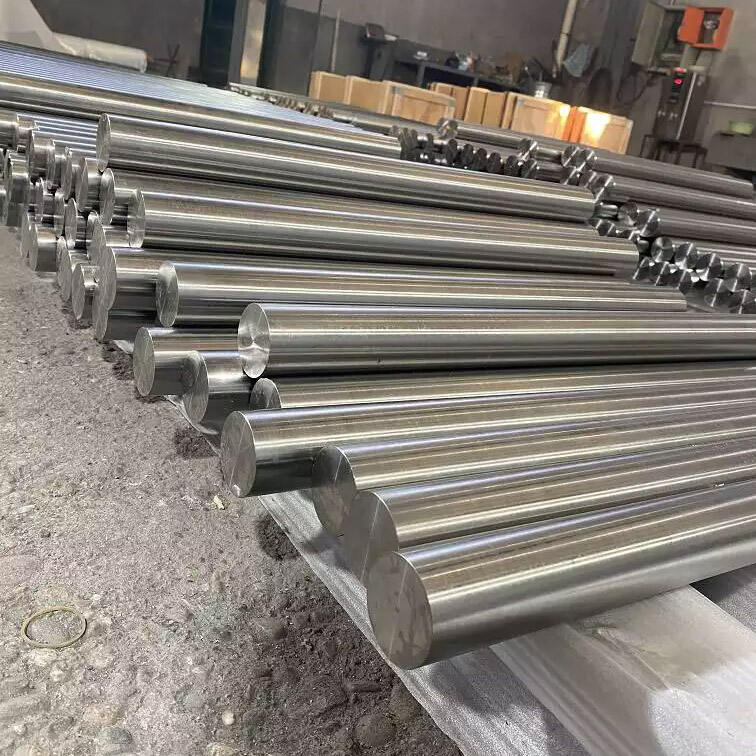
Selecting the correct titanium bar grade represents one of the most critical decisions in industrial manufacturing and engineering applications. The performance, durability, and cost-effectiveness of your finished product depend heavily on this choice. Different grades of titanium bar exhibit vastly different mechanical properties, corrosion resistance profiles, and temperature capabilities, making it essential to understand how each titanium bar grade aligns with your specific operational demands and environmental conditions.
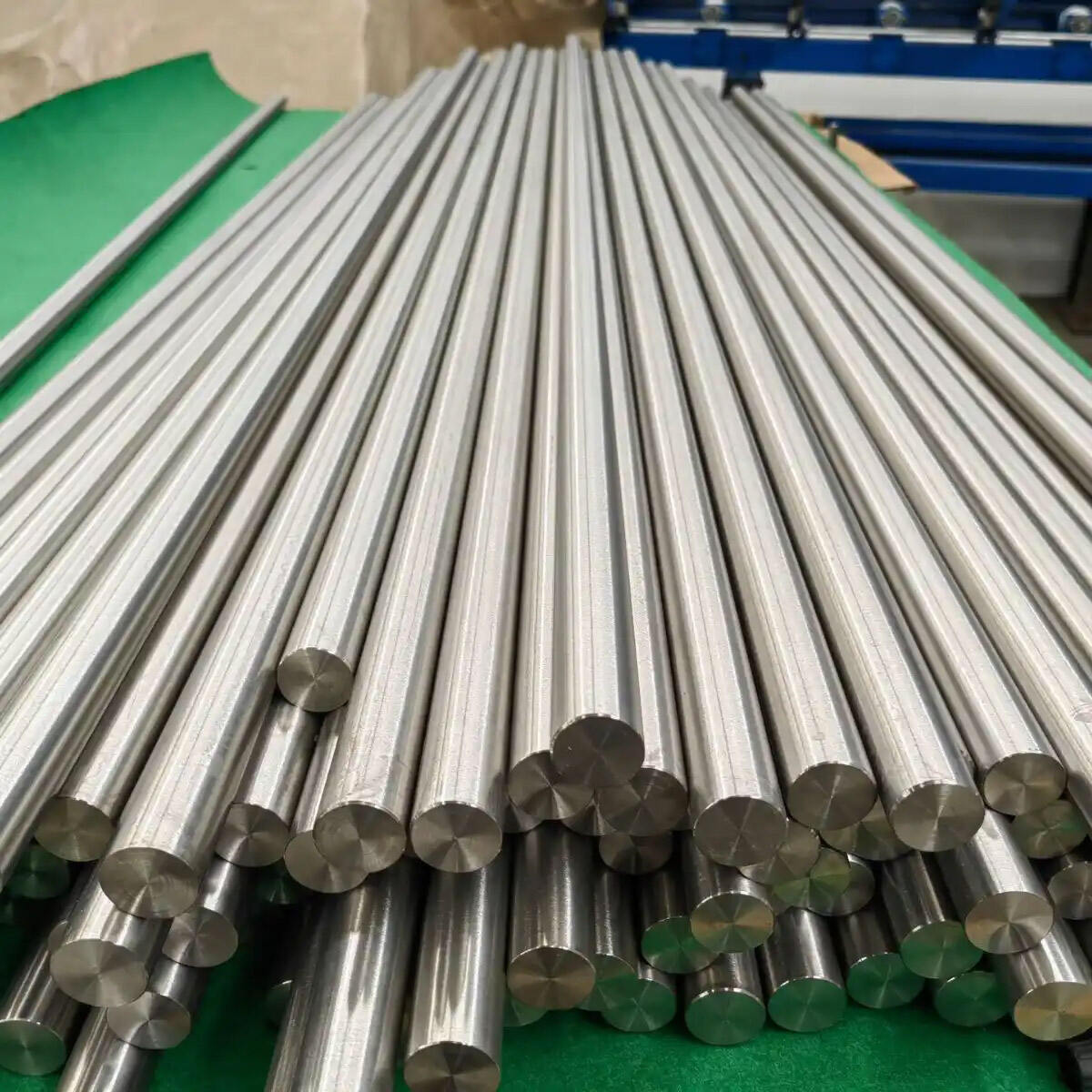
The industrial market offers numerous titanium bar options, each engineered for specific performance requirements and budget constraints. Understanding the fundamental differences between commercially pure titanium bar grades and alloyed titanium bar variants enables engineers and procurement teams to make decisions that optimize both performance and total cost of ownership. This guide walks you through the key factors that influence titanium bar grade selection and provides practical frameworks for matching your application needs to the most suitable titanium bar solution.
Understanding Titanium Bar Grade Classifications
Commercial Purity Grades of Titanium Bar
Commercially pure titanium bar comes in four distinct grades, typically designated as Grade 1, Grade 2, Grade 3, and Grade 4. Each commercially pure titanium bar grade differs primarily in oxygen content and resulting strength characteristics. Grade 1 titanium bar offers the lowest strength but highest ductility and corrosion resistance, making this titanium bar ideal for applications requiring maximum formability and chemical resistance. Grade 2 titanium bar represents the most widely used commercially pure option, balancing strength with workability and corrosion performance. Grade 3 titanium bar provides intermediate strength properties, while Grade 4 titanium bar delivers the highest strength among commercially pure varieties but with reduced ductility.
The oxygen content in commercially pure titanium bar directly influences mechanical properties and processing characteristics. Lower oxygen content in Grade 1 and Grade 2 titanium bar facilitates easier machining and fabrication, reducing labor costs and tool wear. Higher oxygen levels in Grade 3 and Grade 4 titanium bar increase tensile strength but make this titanium bar more challenging to work with during manufacturing. For industrial applications requiring extensive welding or cold forming, Grade 1 or Grade 2 titanium bar typically proves more cost-effective despite potentially higher material costs per pound.
Alloyed Titanium Bar Variants
Alloyed titanium bar incorporates additional elements such as aluminum, vanadium, molybdenum, and other metals to achieve enhanced performance characteristics. Grade 5 titanium bar, commonly known as Ti-6Al-4V, represents the most frequently specified alloyed titanium bar in aerospace and demanding industrial applications. This particular titanium bar grade combines superior strength-to-weight ratio with exceptional high-temperature stability, making alloyed titanium bar the preferred choice when weight reduction and thermal performance matter critically. Grade 7 titanium bar, a palladium-modified commercially pure variant, offers enhanced corrosion resistance in aggressive chemical environments compared to standard commercially pure titanium bar.
Alloyed titanium bar generally commands premium pricing compared to commercially pure titanium bar, but the enhanced performance characteristics often justify this investment in severe-duty applications. Many industrial users select alloyed titanium bar specifically for extended service life, reduced maintenance requirements, and superior reliability in high-stakes operational scenarios. Understanding whether alloyed titanium bar cost premium translates to meaningful operational benefits requires careful analysis of your application's specific performance demands and long-term economic considerations.
Key Performance Properties for Titanium Bar Selection
Strength and Weight Characteristics
Strength-to-weight ratio fundamentally influences titanium bar selection across aerospace, automotive, and precision engineering industries. Commercially pure titanium bar delivers moderate strength with excellent weight savings compared to steel alternatives, making this titanium bar suitable for applications where weight reduction provides operational or efficiency advantages. Alloyed titanium bar, particularly Grade 5 variants, achieves significantly higher tensile strength while maintaining the lightweight profile that distinguishes titanium bar from conventional materials. Engineers selecting between different titanium bar grades must evaluate whether the specific strength requirements justify higher material costs and manufacturing complexity associated with premium-grade titanium bar.
The elongation and ductility characteristics of different titanium bar grades affect formability and joining processes. Grade 1 and Grade 2 titanium bar offer superior ductility, enabling complex bending, forming, and cold-working operations that might be impractical with higher-strength titanium bar. When your application design requires significant material deformation or intricate geometry, selecting a lower-strength titanium bar grade can reduce manufacturing costs and improve production yield rates. Conversely, applications tolerating minimal material manipulation benefit from selecting higher-strength titanium bar grades that simplify finished geometry achievement.
Corrosion Resistance and Environmental Performance
Corrosion resistance represents a defining advantage of titanium bar across virtually all grade options, particularly in seawater, chemical processing, and aggressive atmospheric environments. Commercially pure titanium bar demonstrates outstanding passive corrosion protection through natural oxide layer formation, with Grade 1 and Grade 2 titanium bar offering superior resistance to most common industrial corrosives compared to alloyed variants. Grade 7 titanium bar incorporates palladium additions specifically to enhance corrosion performance in reducing acids and chloride-bearing environments where standard commercially pure titanium bar might experience localized attack. High-temperature oxidation resistance varies significantly among titanium bar grades, with alloyed titanium bar formulations generally maintaining surface integrity at elevated temperatures better than commercially pure titanium bar.
Applications involving direct seawater contact or highly corrosive chemical exposure frequently specify Grade 1 or Grade 2 titanium bar despite potentially lower strength, because superior corrosion resistance ensures extended service life and reduced replacement frequency. Industrial users operating in moderately corrosive environments often discover that commercially pure titanium bar cost advantages offset the premium pricing of specialized corrosion-resistant titanium bar grades. Conversely, truly severe chemical exposure scenarios justify selecting Grade 7 titanium bar or other specialized titanium bar formulations where standard options risk rapid degradation and premature failure.
Application-Specific Titanium Bar Grade Matching
Aerospace and Defense Requirements
Aerospace applications dominate titanium bar usage globally, with stringent performance specifications driving grade selection processes. Grade 5 titanium bar qualifies for commercial aircraft structural applications due to its excellent strength retention at elevated temperatures, fatigue resistance, and proven long-service track record. Military and defense applications frequently mandate specific titanium bar grades backed by extensive qualification documentation and traceability records exceeding commercial aerospace standards. When aerospace specifications require particular titanium bar grades, deviation to alternative titanium bar options typically requires formal engineering justification and regulatory approval, leaving procurement teams limited flexibility in titanium bar grade selection.
High-performance engines, turbine components, and critical structural elements consistently specify alloyed titanium bar formulations where weight savings and temperature performance directly translate to operational capability improvements. Aerospace engineers designing new titanium bar applications conduct extensive materials testing comparing candidate titanium bar grades under mission-representative conditions before finalizing specifications. This rigorous evaluation process ensures selected titanium bar grades deliver required performance margins while optimizing lifecycle costs across anticipated service life and operational scenarios.
Chemical Processing and Industrial Equipment
Chemical processing industries frequently encounter solutions that rapidly corrode conventional materials but present manageable attack rates for appropriately selected titanium bar. Grade 1 and Grade 2 titanium bar address most industrial acid and alkaline exposure scenarios, with selection between these commercially pure titanium bar options depending on specific corrosion rate requirements and budget constraints. Highly oxidizing acid environments sometimes demand Grade 7 titanium bar despite premium costs, because superior corrosion performance maintains equipment integrity and prevents process contamination from metal dissolution. Titanium bar heat exchanger tubes, reactor vessels, and piping systems represent typical applications where corrosion resistance justifies titanium bar material selection despite substantial upfront cost compared to stainless steel alternatives.
Industrial users expanding capacity or replacing failing equipment often conduct life-cycle economic analysis comparing titanium bar options against competing material choices. Scenarios where equipment downtime carries extremely high costs favor premium titanium bar grades offering superior reliability margins, while applications tolerating occasional maintenance may accept lower-cost commercially pure titanium bar with understanding that corrosion may eventually necessitate replacement. Titanium bar specifications ultimately reflect this balance between acquisition cost, performance certainty, and operational risk management within each organization's specific business context.
Practical Titanium Bar Grade Selection Framework
Evaluating Strength and Temperature Requirements
Establishing precise strength requirements represents the foundational step in titanium bar grade selection. Calculate or reference the actual stress levels your application experiences under normal operation plus anticipated peak loading scenarios. Compare these real stress values against published mechanical properties for candidate titanium bar grades at your expected operating temperatures. Commercially pure titanium bar grades generally suffice for moderate-load applications below 300 degrees Celsius, while elevated-temperature service or severe loading demands shift preference toward alloyed titanium bar formulations. This systematic comparison prevents both under-specification that risks premature failure and over-specification that wastes resources on titanium bar grades exceeding actual requirements.
Temperature stability characteristics differ substantially among titanium bar grades, with properties degrading at different rates as heat increases. Grade 5 titanium bar maintains useful strength to approximately 300 degrees Celsius, beyond which this titanium bar loses mechanical properties more rapidly than some specialized titanium bar alloys. Industrial applications involving thermal cycling require careful attention to this titanium bar behavior, because repeated heating and cooling cycles can reduce service life compared to steady-state operation. Testing representative titanium bar samples under anticipated thermal profiles provides the most reliable data for high-stakes applications where failure consequences justify additional engineering investment.
Cost-Benefit Analysis for Titanium Bar Grade Choices
Material cost per pound represents only one element in total titanium bar economic analysis. Manufacturing complexity, scrap rates during fabrication, machining time, and joining method compatibility all influence whether premium titanium bar grades deliver positive economic value. Commercially pure titanium bar grades typically offer lower material cost but potentially higher processing expense, while alloyed titanium bar may justify premium pricing through reduced manufacturing labor and improved first-pass quality. Conduct detailed cost modeling comparing your entire production process across candidate titanium bar grades rather than focusing exclusively on raw material pricing.
Long-term ownership costs further influence titanium bar grade selection when comparing options offering different service life expectations. Applications where premature failure triggers expensive downtime or safety risks favor selecting higher-grade titanium bar despite larger initial investment. Conversely, non-critical applications with accessible replacement options may justify economical commercially pure titanium bar selection despite slightly shorter expected service intervals. This pragmatic titanium bar grade analysis ensures your selection decision reflects actual business priorities rather than defaulting to either the lowest-cost or highest-specification titanium bar option without considering operational context.
FAQ
What is the most commonly used grade of titanium bar in industrial applications?
Grade 2 titanium bar represents the most widely specified commercially pure option across diverse industrial applications, offering an optimal balance between strength, workability, corrosion resistance, and cost. This titanium bar grade addresses the majority of moderate-performance requirements where commercial purity suffices, while Grade 5 alloyed titanium bar dominates aerospace applications where enhanced strength justifies premium pricing. Different industries show distinct preferences—offshore applications favor Grade 1 or Grade 2 titanium bar for superior corrosion performance, while aerospace consistently specifies alloyed titanium bar formulations.
How do temperature limitations differ between commercially pure and alloyed titanium bar grades?
Commercially pure titanium bar grades maintain useful properties to approximately 250-300 degrees Celsius before mechanical characteristics degrade significantly, while Grade 5 titanium bar extends practical service to roughly 300 degrees Celsius with gradual property loss at elevated temperatures. Specialized titanium bar alloys engineered for extreme-temperature applications can function effectively above 500 degrees Celsius, though these premium titanium bar variants command substantial cost premiums. Your specific application temperature requirements should drive titanium bar grade selection, as specifying excessive temperature capability wastes resources while under-specifying risks premature failure.
Can commercially pure titanium bar substitute for alloyed titanium bar grades in demanding applications?
Substituting commercially pure titanium bar for alloyed variants requires careful engineering analysis, as strength and temperature performance differences may prove critical in high-stakes applications. Some demanding applications tolerate this titanium bar substitution if load requirements remain within commercially pure titanium bar capability margins and temperature exposure stays below limitations. However, aerospace, defense, and safety-critical applications typically prohibit this titanium bar downgrade without formal engineering approval and extensive requalification testing. Always consult application specifications and relevant industry standards before implementing this titanium bar substitution, as unauthorized grade changes can compromise safety and regulatory compliance.