 EN
EN


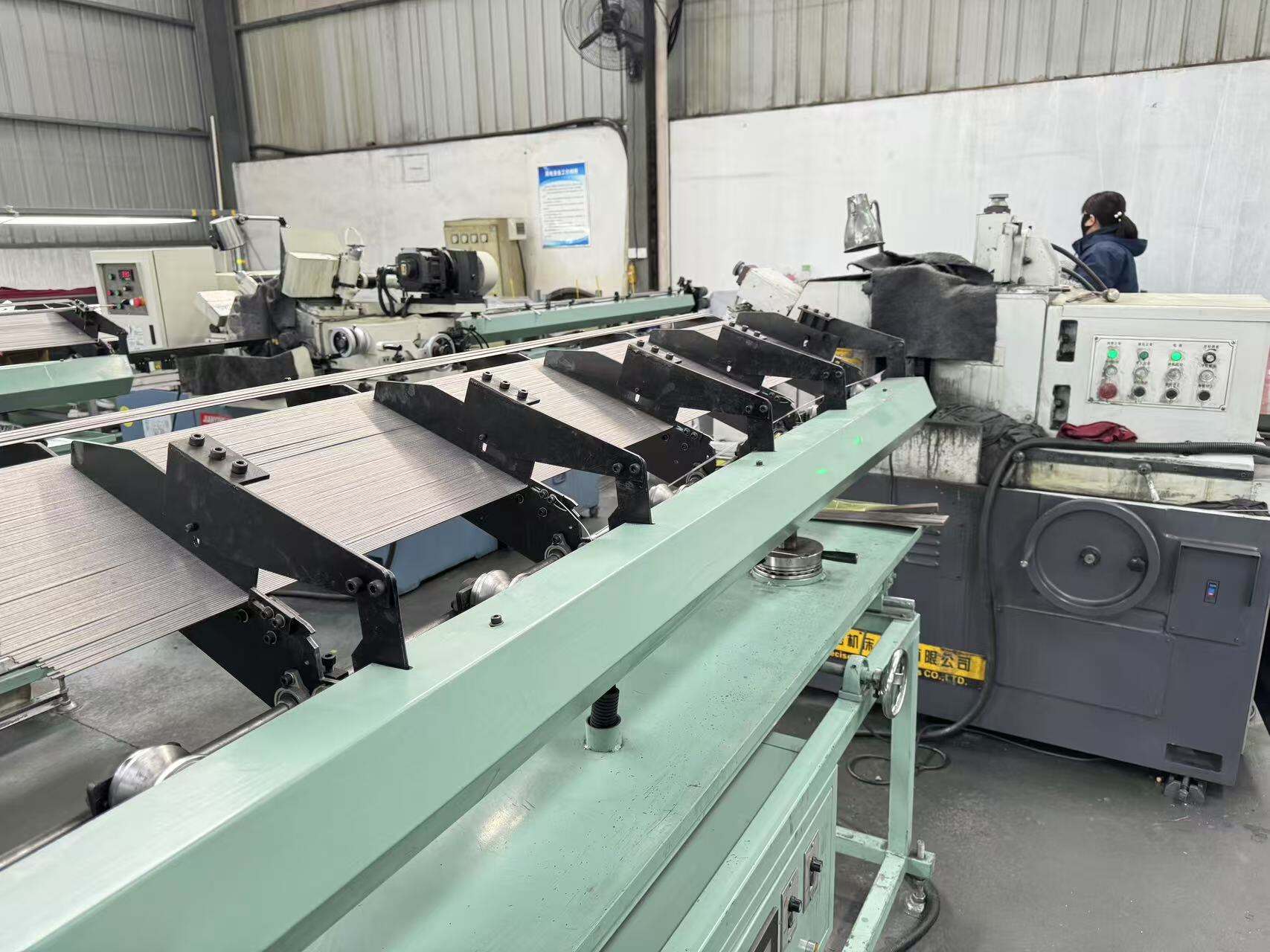
The titanium rod has become indispensable across multiple industrial sectors due to its exceptional strength-to-weight ratio, corrosion resistance, and thermal stability. Organizations operating in demanding environments depend on titanium rod solutions to maintain operational efficiency, product longevity, and safety compliance. Understanding which industries prioritize titanium rod applications reveals critical insights into modern manufacturing, engineering, and production strategies. From aerospace to healthcare, the titanium rod serves as a foundational material that enables innovation and reliability in mission-critical systems.
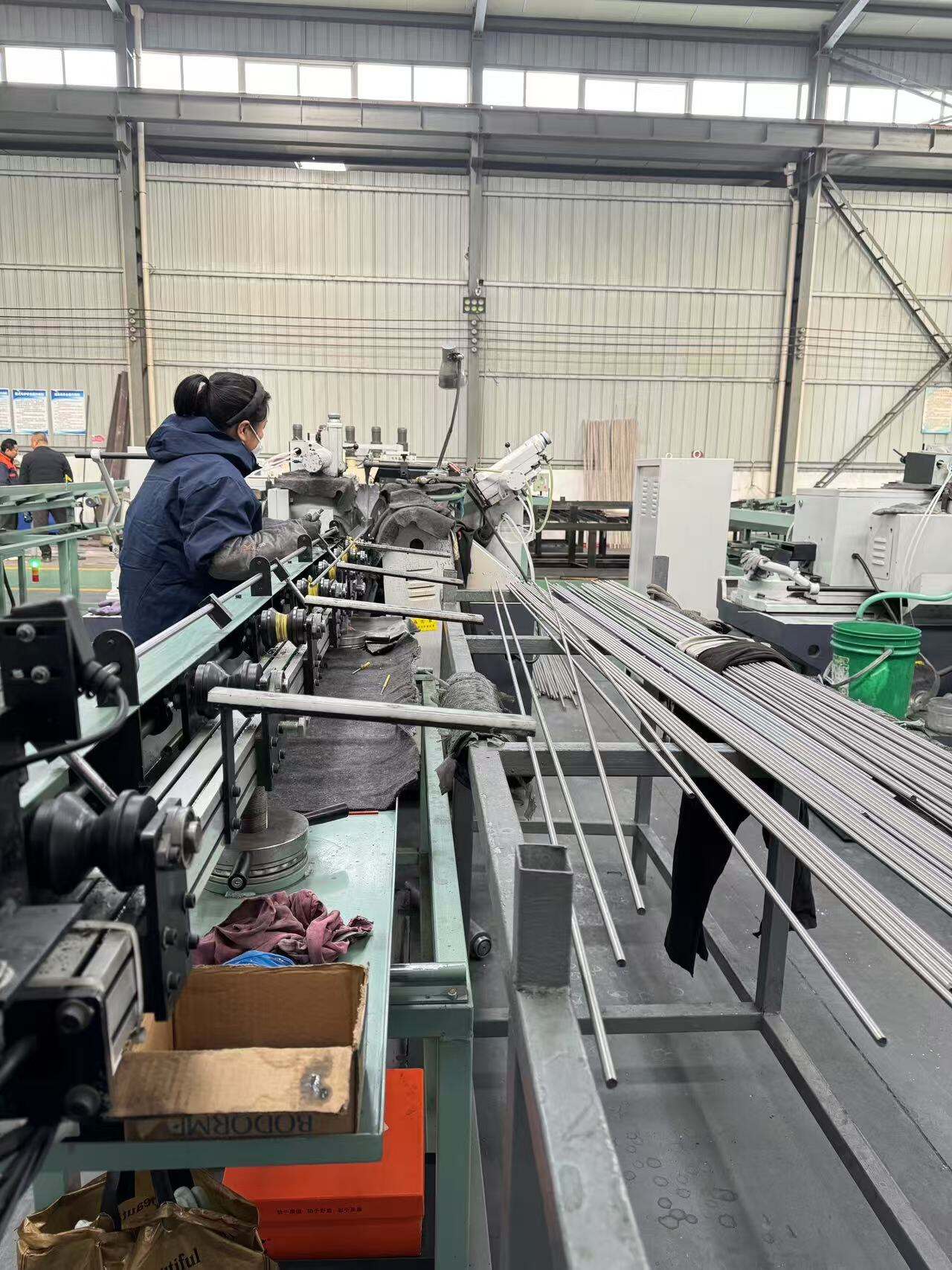
Across global manufacturing landscapes, the titanium rod has emerged as a critical component that directly impacts product performance, regulatory compliance, and competitive positioning. Industries that embrace titanium rod technology experience improved durability, reduced maintenance cycles, and enhanced operational safety. Selecting the appropriate titanium rod specifications and suppliers requires deep understanding of industry-specific requirements, material standards, and performance benchmarks. This guide explores the primary sectors that depend heavily on titanium rod innovations and examines why this material remains essential to their production success.
Aerospace and Defense Applications
Commercial and Military Aircraft Systems
The aerospace industry represents the largest consumer segment for titanium rod products worldwide. Commercial aircraft manufacturers integrate titanium rod components into engine assemblies, landing gear systems, fastening mechanisms, and structural frameworks where weight reduction directly correlates with fuel efficiency and payload capacity. Military defense contractors specify titanium rod for fighter jets, helicopters, and advanced weapons systems where extreme performance demands and hostile environmental exposure necessitate superior material properties. A single large commercial aircraft may contain hundreds of titanium rod components, each engineered to withstand pressurization cycles, thermal fluctuations, and mechanical stresses that occur across decades of operational service.
Space Exploration Infrastructure
Space agencies and commercial space launch providers depend exclusively on titanium rod materials for rocket engines, spacecraft structures, and life support systems. The titanium rod's ability to maintain structural integrity across extreme temperature variations from cryogenic liquid propellant exposure to atmospheric reentry heating makes it irreplaceable for space exploration. Satellite manufacturers utilize titanium rod for antenna mounting systems, thermal radiators, and structural supports that must survive the vacuum environment and intense radiation exposure throughout multi-year orbital missions. The aerospace sector's reliance on titanium rod innovation continues accelerating as companies develop next-generation hypersonic vehicles and deep-space exploration platforms.
Medical Device and Healthcare Manufacturing
Surgical Implant and Orthopedic Solutions
The medical device industry has established strict specification standards requiring titanium rod materials for orthopedic implants, spinal fusion systems, and joint replacement components. Surgeons and orthopedic specialists prefer titanium rod-based implants because the material demonstrates exceptional biocompatibility, eliminating allergic reactions and tissue rejection risks that complicate patient recovery and long-term outcomes. Dental professionals utilize titanium rod as the foundation material for implant posts and prosthetic frameworks because the material resists oral bacterial growth, maintains dimensional stability under masticatory forces, and achieves seamless osseointegration with bone tissue. Pediatric surgical teams specify titanium rod components for growth-adaptive devices that adjust proportionally as children develop, extending implant service life and reducing revision surgical procedures that increase healthcare costs and patient trauma.
Diagnostic and Therapeutic Equipment
Hospital imaging departments rely on titanium rod components within magnetic resonance imaging machines, computed tomography scanners, and radiation therapy systems where non-magnetic, corrosion-resistant materials are mandatory. Endoscopic instruments and minimally invasive surgical tools incorporate titanium rod shafts and connection elements that withstand repeated sterilization cycles while maintaining mechanical precision essential for delicate surgical procedures. Cardiovascular device manufacturers embed titanium rod components within pacemakers, stents, and heart valve prostheses where biocompatibility meets demanding mechanical performance requirements. The medical titanium rod market continues expanding as healthcare providers emphasize patient safety, reduce infection risks, and adopt advanced surgical methodologies that depend on specialized material properties unavailable from alternative materials.
Chemical Processing and Industrial Manufacturing
Petrochemical and Refinery Operations
Petrochemical processors and oil refineries maintain extensive titanium rod inventories for heat exchanger tubes, pump shafts, and valve stems exposed to sulfuric acid, hydrochloric acid, and other highly corrosive chemicals that destroy conventional steel components within months. The titanium rod's superior resistance to these aggressive chemical environments extends equipment service life from two to three years with traditional materials to fifteen or twenty years with titanium rod specification. Refinery operators utilize titanium rod fasteners and coupling components that connect critical process piping and prevent catastrophic leaks that threaten worker safety and environmental compliance. The chemical processing industry's dependence on titanium rod technology directly reduces operational downtime, minimizes maintenance costs, and ensures production continuity for facilities processing high-value petroleum products.
Power Generation and Desalination Plants
Coastal power generation facilities and industrial desalination plants depend on titanium rod condenser tube systems that transfer heat while remaining immune to seawater corrosion, chlorine attack, and biological fouling that compromise conventional copper-nickel alloys. Utility companies specify titanium rod components for steam turbine blade attachments, throttle valve stems, and bearing housings where thermal cycling and mechanical stress demand material stability across extended operating campaigns. Desalination operators select titanium rod piping and filtration system components to prevent corrosion-induced failures that contaminate fresh water supplies and violate regulatory purity standards. The power generation sector's adoption of titanium rod technology continues accelerating as environmental regulations tighten and facility operators prioritize equipment longevity and minimal maintenance interventions that reduce operational expenses and carbon footprint.
FAQ
Why do aerospace manufacturers prefer titanium rod components over aluminum or steel alternatives?
Aerospace engineers select titanium rod because it delivers superior strength-to-weight ratios that reduce aircraft fuel consumption by five to ten percent compared to heavier steel alternatives, while maintaining equivalent or superior reliability. The titanium rod's exceptional temperature resistance at high altitudes and engine compartments prevents component failure where aluminum becomes mechanically unstable and steel becomes prohibitively heavy. Additionally, titanium rod components require fewer inspections and replacements across the aircraft's service life, reducing maintenance costs and increasing operational availability for commercial airline operators.
What regulatory standards govern titanium rod specifications in medical device applications?
Medical device manufacturers must comply with strict international standards including ASTM F136 for implantable titanium rod materials, ISO 5832-1 for surgical implant compositions, and FDA biocompatibility guidelines that ensure titanium rod meets purity, composition, and processing requirements. These regulatory frameworks mandate specific titanium rod purity levels, grain structure characteristics, and mechanical property ranges that prevent allergic reactions and ensure long-term implant success. Medical device companies maintain rigorous titanium rod supplier certification programs and batch testing protocols to verify that every titanium rod component meets established quality standards before integration into patient-facing products.
How does titanium rod cost compare to conventional materials, and when is the investment justified?
Titanium rod materials typically cost three to five times more than equivalent steel or aluminum components on initial purchase, yet deliver superior total cost of ownership in industries where corrosion, temperature extremes, or weight reduction directly impact operational success. Aerospace companies justify titanium rod investments by calculating fuel savings from reduced aircraft weight over twenty-year service periods, resulting in positive financial returns exceeding one hundred percent. Medical device manufacturers accept higher titanium rod material costs to reduce patient revision surgeries and litigation risks associated with implant failures, making the material investment financially and ethically essential for healthcare applications.